25 Things Not To Say To Someone In A Wheelchair

Most people do not realise there are certain things not to say to wheelchair users. Often, they are trying to be kind, funny, curious, helpful, or encouraging.
The problem is that some comments come across very differently when you are hearing them for the hundredth time.
As someone who uses a wheelchair, I have heard all sorts of comments. Some are awkward. Some are funny. Some are frustrating. Some are so strange that I still wonder what the person expected me to say back.
This list is not about shaming people.
It is about helping people think before they speak.
So here are 25 things not to say to someone in a wheelchair, why people may say them, why they can be frustrating, and how I might respond if my filter is working properly.
Common Things Not to Say to Wheelchair Users
1. “Have you tried walking?”
Why people may say it: They’re trying to be funny, or they don’t realise how ridiculous the question sounds.
Why it can be frustrating: It implies the wheelchair user somehow failed to try the obvious solution.
Real life: This is usually said by someone who thinks they are the first person in history to make the joke.
My response: “No. Is that a new feature? When did Walking come out?”
2. “You’re too young to be in a wheelchair.”
Why people may say it: They are surprised and probably trying to express sympathy.
Why it can be frustrating: Disability does not check your birth certificate before arriving.
Real life: I must have missed the official age requirement for wheelchair use.
My response: “I know. Its because I use moisturiser day and night”
3. “What happened to you?”
Why people may say it: Curiosity. People naturally want to know the story.
Why it can be frustrating: It can feel intrusive, especially when asked before someone even knows your name.
Real life: Sometimes this is the very first thing someone asks me. Not “Hi”, not “What’s your name?” Just straight into my medical history like we’re already halfway through a documentary.
My response: “Would you like my life story before or after we introduce ourselves?”
4. “I couldn’t live like that.”
Why people may say it: They are imagining how hard it would be if it happened to them.
Why it can be frustrating: It can accidentally suggest that a disabled person’s life is not worth living.
Real life: After my accident in 2009, I didn’t think I could either. But humans are remarkably adaptable. The things that seem impossible at first gradually become normal.
My response: “Good thing one of us figured it out.”
5. “You’re such an inspiration.”
Why people may say it: They want to be encouraging or complimentary.
Why it can be frustrating: Sometimes, you are not doing anything inspirational. Sometimes you are just buying milk.
Real life: Apparently, getting through a supermarket without crashing into the fruit display is now heroic.
My response: “Thanks. I was mainly here for bread, but I’ll accept the award.”
6. “At least you’re alive.”
Why people may say it: They are trying to find a positive angle.
Why it can be frustrating: It can dismiss the grief, pain, and daily challenges that still exist.
Real life: Sometimes people offer a silver lining before they have listened to the cloud.
My response: “That’s what I keep telling my cats when they complain about their dinner.”
7. “Can you feel that?”
Why people may say it: Genuine curiosity about paralysis or sensation.
Why it can be frustrating: It can become repetitive, and sometimes people ask while poking or touching without permission.
Real life: During rehab, my children secretly poked my legs with a fork under the table to see if I could feel it. When I caught them laughing, they realised they weren’t nearly as sneaky as they thought.
My response: “Only emotionally.”
8. “Do you miss walking?”
Why people may say it: They assume walking is the biggest thing you have lost.
Why it can be frustrating: Of course, many wheelchair users miss things about walking, but it is not always something they want to discuss on demand.
Real life: I mostly miss reaching high shelves without needing a full strategic plan.
My response: “Sometimes. Mostly when the remote is just out of reach.”
9. “Maybe one day you’ll walk again.”
Why people may say it: They want to offer hope.
Why it can be frustrating: It can ignore the reality someone has already accepted and adapted to.
Real life: After years of hearing it, it starts to sound like a weather forecast.
My response: “Maybe. But today I am mostly hoping for a working lift.”
10. “I know exactly how you feel. I hurt my back once.”
Why people may say it: They are trying to relate.
Why it can be frustrating: A sore back and a spinal cord injury are not quite the same thing.
Real life: It is like saying you understand what it is like to be an astronaut because you once jumped on a trampoline.
My response: “That’s a bit like comparing a paper cut to a shark attack.”
11. “Can I pray for your healing?”
Why people may say it: Usually kindness, faith, and good intentions.
Why it can be frustrating: It can sometimes imply that the wheelchair user is incomplete unless they are physically healed.
Real life: Prayer is welcome when it respects the whole person, not just the disability.
My response: “You can also pray for ramps, accessible toilets, and fewer potholes.”
12. “You don’t look disabled.”
Why people may say it: They may think it sounds like a compliment.
Why it can be frustrating: There is no single way disabled people are supposed to look.
Real life: Apparently, I missed the memo about the official disabled uniform.
My response: “Sorry. I left my ‘official disabled person’ badge at home.”
13. “Who looks after you?”
Why people may say it: They assume wheelchair users are dependent on others.
Why it can be frustrating: Many wheelchair users are independent, drive, work, parent, travel, and manage their own lives.
Real life: The look on someone’s face when I say I drove myself there can be priceless.
My response: “Mostly me. I am surprisingly qualified.”
14. “Can you drive?”
Why people may say it: They genuinely may not know about modified vehicles.
Why it can be frustrating: It can come with the assumption that wheelchair users cannot be independent.
Real life: I drive my own modified VW Transporter. The look on people’s faces when I tell them I drove myself there is often priceless.
My response: “Yes. Most of the time, better than people who walk.”
15. “You must get lots of money from the government.”
Why people may say it: They misunderstand disability funding and support systems.
Why it can be frustrating: Disability often creates enormous extra costs that people never see.
Real life: People see a wheelchair and assume there’s a river of government funding flowing into your bank account. They don’t see the years I received no NDIS funding because of compensation arrangements.
My response: “Would you like to see the receipts before or after you recover from the shock?”
16. “You’re lucky you get disabled parking.”

Why people may say it: They see the parking space, not the reason it is needed.
Why it can be frustrating: Accessible parking is not a prize. It is a practical necessity.
Real life: I’ve lost count of how many times people have told me I’m lucky to get disabled parking. Trust me, if there was a way to swap the permit for working legs, I’d take that deal every time.
My response: “Yes, the parking is nice. The paralysis was less convenient.”
17. “You should stay positive.”
Why people may say it: They want to encourage resilience.
Why it can be frustrating: It can dismiss real frustration, grief, exhaustion, or pain.
Real life: Nothing makes someone feel positive quite like being ordered to be positive.
My response: “I am positive. I am also allowed to be annoyed.”
18. “Can I push you?”
Why people may say it: They want to help.
Why it can be frustrating: Some people ask while already grabbing the chair.
Real life: A wheelchair is part of someone’s personal space. Do not turn them into a shopping trolley.
My response: “Only if I can steer your legs without warning.”
19. “You are so brave.”
Why people may say it: Admiration or sympathy.
Why it can be frustrating: Sometimes the wheelchair user is not being brave. They are just living their life.
Real life: I have received this kind of comment while doing very ordinary things.
My response: “Thank you. Choosing ice cream flavours does take courage.”
20. “My dog has a wheelchair too.”
Why people may say it: They are trying to connect through something familiar.
Why it can be frustrating: Being compared to someone’s pet can be a strange turn in the conversation.
Real life: It gets even better when they pull out photos.
My response: “Wonderful. Does your dog also complain about inaccessible bathrooms?”
21. “Everything happens for a reason.”
Why people may say it: They are trying to offer comfort or meaning.
Why it can be frustrating: It can sound like a neat answer to a very messy reality.
Real life: Some reasons remain suspiciously well hidden.
My response: “Possibly. But some days I would still like to speak to the complaints department.”
22. “You’re amazing for shopping on your own.”
Why people may say it: They genuinely mean it as praise.
Why it can be frustrating: It can make ordinary independence sound extraordinary.
Real life: I’ve had people congratulate me for buying groceries. I appreciate the encouragement, but I was mainly there for cat food and soup-making supplies.
My response: “Thanks. Choosing the bread was particularly challenging.”
23. “Do you ever get bored sitting all day?”
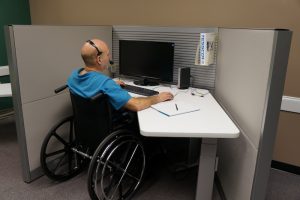
Why people may say it: They confuse using a wheelchair with doing nothing.
Why it can be frustrating: A wheelchair is not a waiting room. It is how someone moves through life.
Real life: I am often busier than the person asking.
My response: “Only during conversations like this.”
24. “You can’t come in here; there are stairs.”
Why people may say it: They are stating the accessibility problem they can see.
Why it can be frustrating: It points out the barrier without offering a solution.
Real life: Wheelchair users tend to notice stairs. They are not subtle.
My response: “Yes, the stairs introduced themselves immediately.”
25. “Wow, I don’t even notice your wheelchair anymore.”
Why people may say it: They are trying to say they see the person, not just the wheelchair.
Why it can be frustrating: The wheelchair still affects access, movement, planning, comfort, and daily life.
Real life: Not noticing the wheelchair does not make steps disappear.
My response: “That’s nice. Unfortunately, stairs still notice it.”
Things Not to Say to Wheelchair Users: Common Themes
Most people who say these things are not trying to be offensive. They are usually curious, nervous, kind, or simply trying to connect. Understanding what not to say to wheelchair users can help create more respectful and enjoyable conversations for everyone.
What Should You Say to Wheelchair Users Instead?
You do not need perfect words to talk to a wheelchair user. You do not need to be awkward, overly careful, or terrified of saying the wrong thing. Most wheelchair users are not looking for perfect language. We are looking for ordinary respect.
A good rule is simple: speak to the person first, not the wheelchair. Ask normal questions. Have normal conversations. If you are curious about their disability, build trust first. If you want to help, ask before touching their wheelchair. If you say something awkward, apologise and move on.
Most people who say these things are not trying to be offensive. They are usually curious, nervous, kind, or trying to connect. But good intentions do not always make words helpful.
So next time you meet someone in a wheelchair, relax. Say hello. Talk to them like a person. And whatever you do, maybe do not start with, “Have you tried walking?”
Understanding what not to say to wheelchair users can help foster better conversations and make everyone feel more comfortable.
About The Author
I’ve used a wheelchair since a tree branch changed my life in 2009, resulting in a complete T3 spinal cord injury. Through Wheelchair John, I share the humour, frustrations, challenges, faith, accessibility issues, and everyday realities of life on wheels. If you’ve enjoyed this article, you might also enjoy my other posts about disability, accessibility, cats, and the occasional collision with a doorframe.